Our Work
Educational evaluation
WORKFORCE DEVELOPMENT and Strategic Planning
Leading STEM Education Research
Our team partners with educational stakeholders to collaboratively design comprehensive evaluation plans, gather evidence, examine fidelity of implementation, and turn it into a meaningful guidance for continuous improvement and future investments. We work closely with our partners throughout our process. Some of our partners have includ
Our team partners with educational stakeholders to collaboratively design comprehensive evaluation plans, gather evidence, examine fidelity of implementation, and turn it into a meaningful guidance for continuous improvement and future investments. We work closely with our partners throughout our process. Some of our partners have included: NASA, Tennessee STEM Innovation Network, Vanderbilt University, Education First, Indiana Department of Education, Alabama STEM Council, Massachusetts Department of Education, Educate Texas, Naval STEM, and the National Integrated Cyber Education Research Center.
Leading STEM Education Research
WORKFORCE DEVELOPMENT and Strategic Planning
Leading STEM Education Research
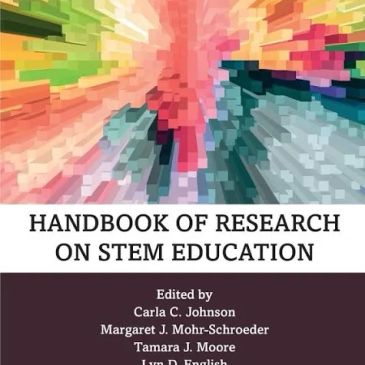
Members of our team provided leadership for the conceptualization, development, and editing of the inaugural Handbook of Research on STEM Education (2020). The Handbook provided a synthesis of research on integrated STEM education models, evidence on student and teacher learning, policy, assessment, and meeting the needs of all students.
Members of our team provided leadership for the conceptualization, development, and editing of the inaugural Handbook of Research on STEM Education (2020). The Handbook provided a synthesis of research on integrated STEM education models, evidence on student and teacher learning, policy, assessment, and meeting the needs of all students. Volume 2 of the Handbook expands the work to higher education and evidence-based STEM program evaluation and will be published in early 2027.
WORKFORCE DEVELOPMENT and Strategic Planning
WORKFORCE DEVELOPMENT and Strategic Planning
Curriculum Development & Professional Development
We have worked with seven states and over 100 educational organizations across the U.S. to engage in the process of strategic planning for STEM and AI pathways. We guide teams from partnering entities through the steps of building and implementing a program, including strategic planning, curriculum development and mapping, professional de
We have worked with seven states and over 100 educational organizations across the U.S. to engage in the process of strategic planning for STEM and AI pathways. We guide teams from partnering entities through the steps of building and implementing a program, including strategic planning, curriculum development and mapping, professional development, partner engagement, development of tools for assessing student outcomes and progress, and other organizational needs.

Curriculum Development & Professional Development
Curriculum Development & Professional Development
Curriculum Development & Professional Development
We have partnered with school networks, international publishing companies, and individual schools to develop integrated STEM curriculum for grades K-12. Our process includes working with educators and stakeholders to develop curriculum that is grounded in the context of local problems, challenges, and interests.

STEM ROAD Map
Curriculum Development & Professional Development
STEM ROAD Map
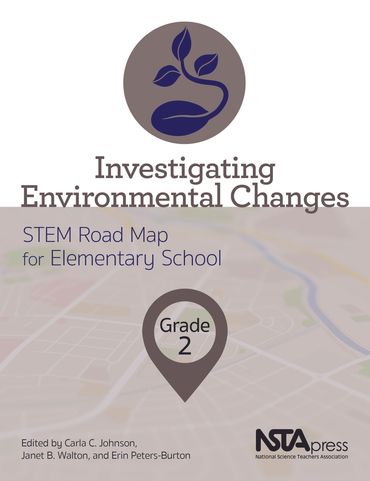
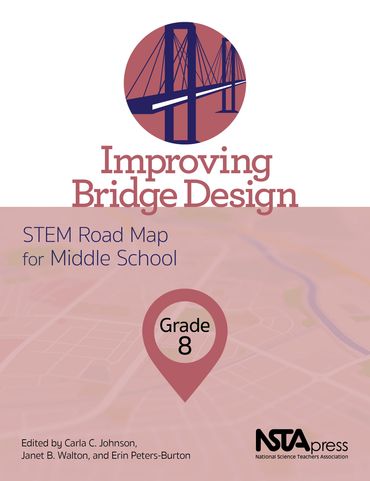
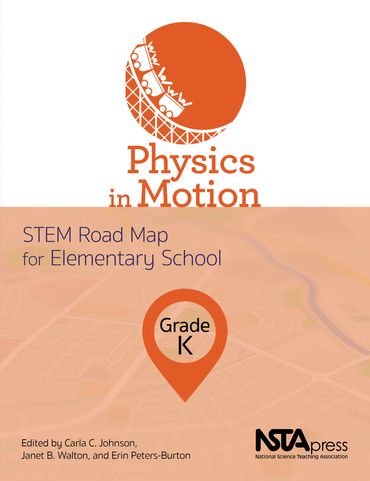
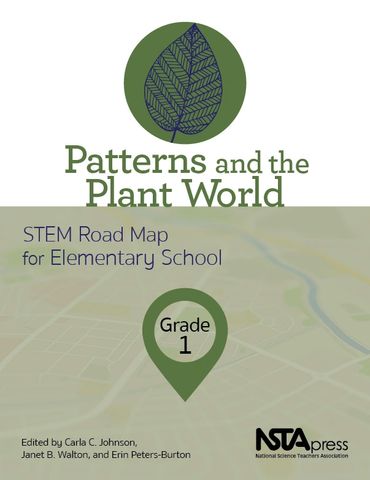
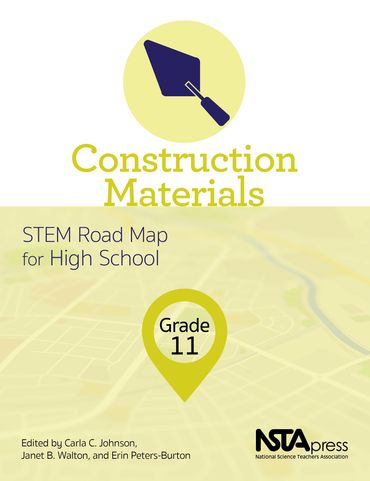
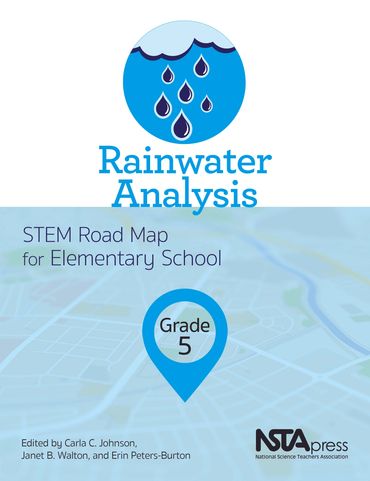
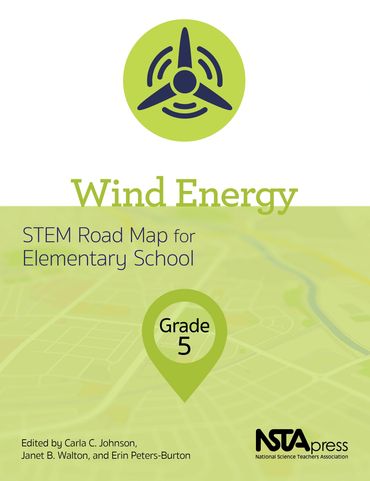
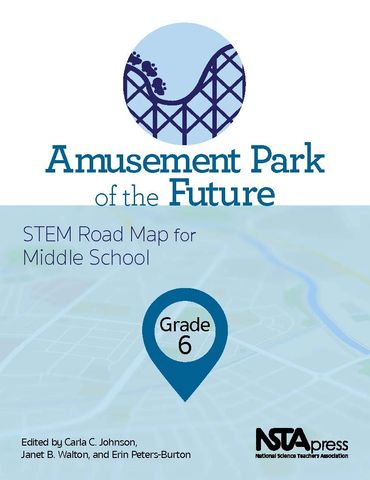
Our team led the national STEM Road Map project in partnership with the National Science Teaching Association (NSTA), an integrated STEM curriculum project for grades K-12. The curriculum engages students in real-world, problem-based, integrated STEM (including English/language arts and social studies) challenges to solve as they learn and apply important disciplinary content.
STEM Road map curriculum